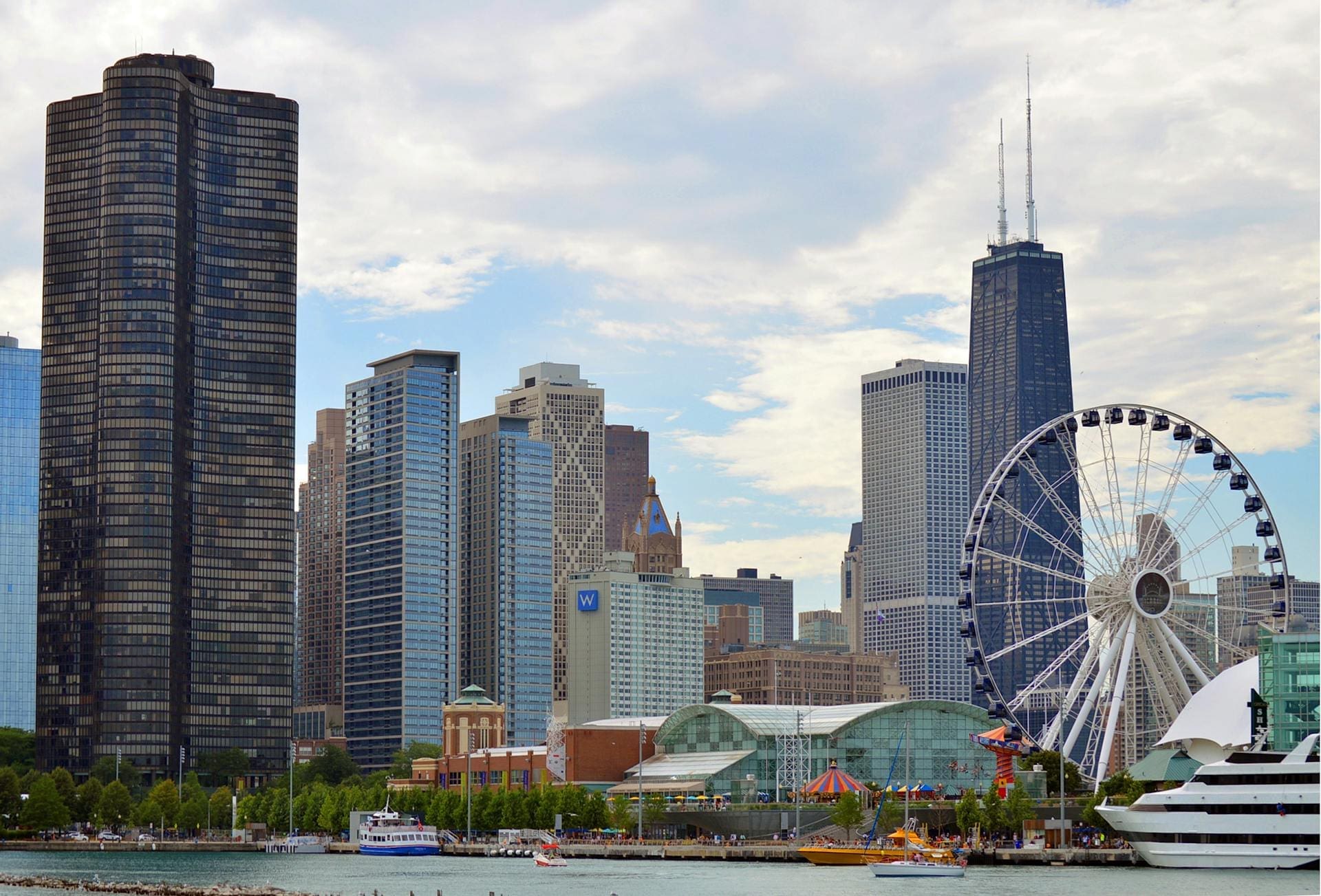
The City of Chicago is full of well known history, but there are many elements about the city that some may find surprising. From its role in shaping modern industry to its iconic architecture, Chicago is a city of infinite and fascinating layers. Here are 24 remarkable facts about Chicago that may help you learn a little more about this wonderful city.
Contrary to popular belief, Chicago’s “ Windy City” nickname isn’t about the weather. It’s believed to have originated in the late 19th century, when journalist Charles Dana used the term to refer to the city’s politicians when Chicago and New York were competing to host the 1893 World’s Columbian Exposition.

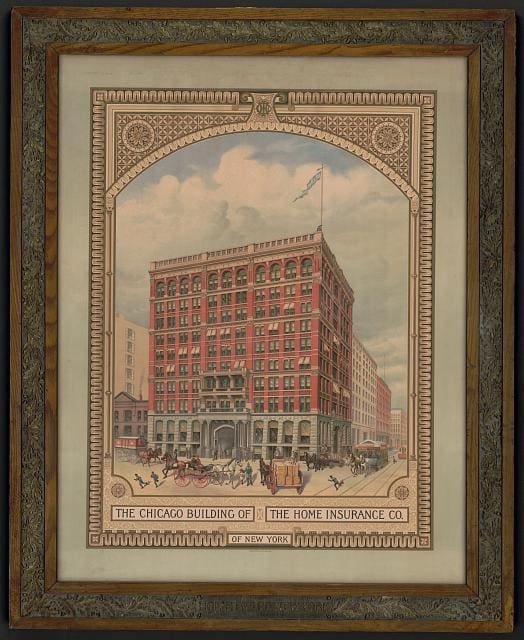
The 138 foot tall Home Insurance Building was the world’s first skyscraper. Completed in 1885, the building stood at the corner of Lasalle and Adams until 1932, when it was demolished and replaced by the Field Building.
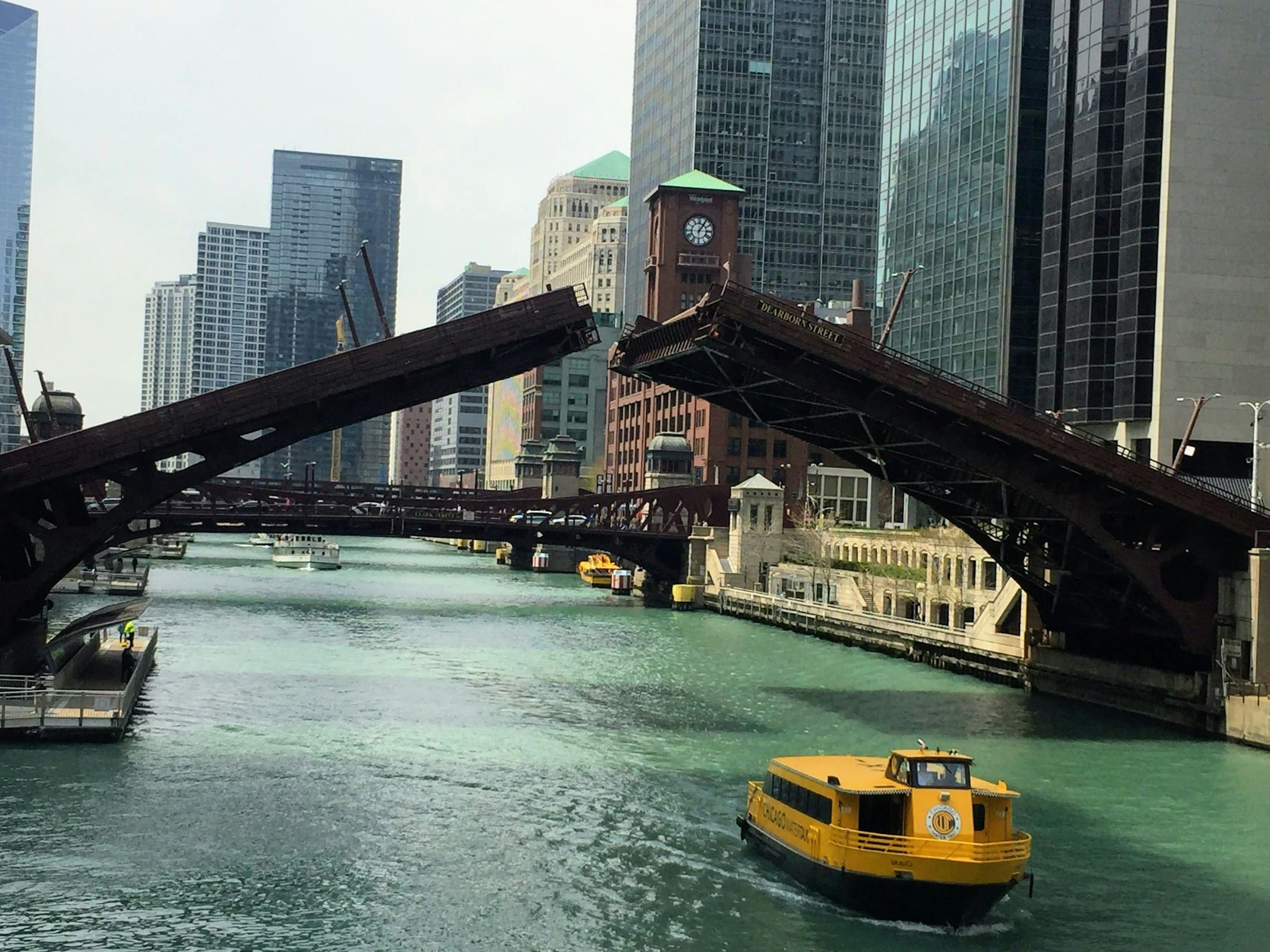
In 1900 Chicago was one of the fastest growing cities in the world, but with that growth came sickness and disease due to waterborne illnesses caused by the city’s waste runoff. To combat this, the flow of the Chicago River was reversed away from Lake Michigan, a task that eventually became known as one of the greatest engineering feats in history.
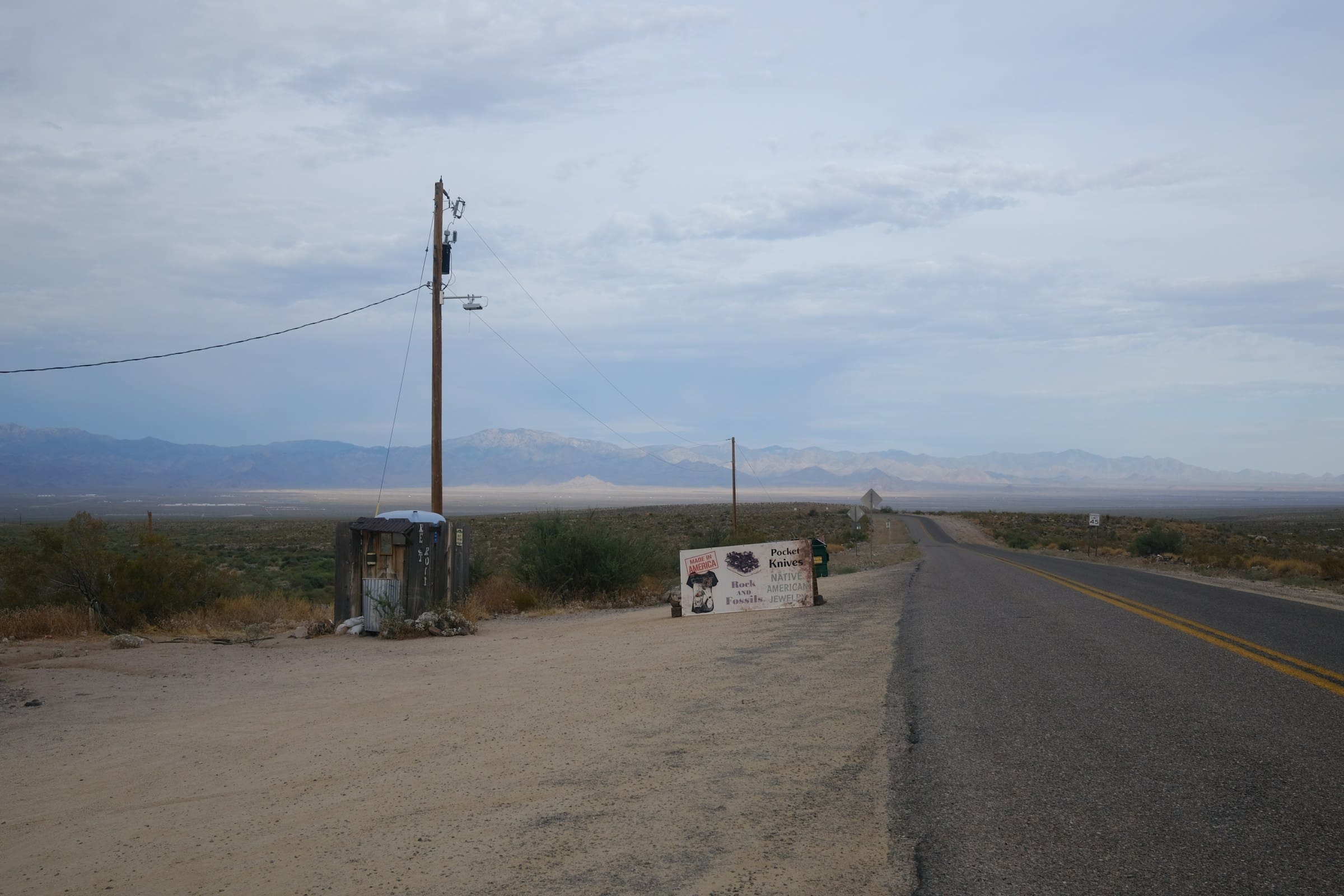
US Highway 66, also known as Route 66, gets its start in Chicago at the intersection of Jackson Boulevard and Michigan Avenue.
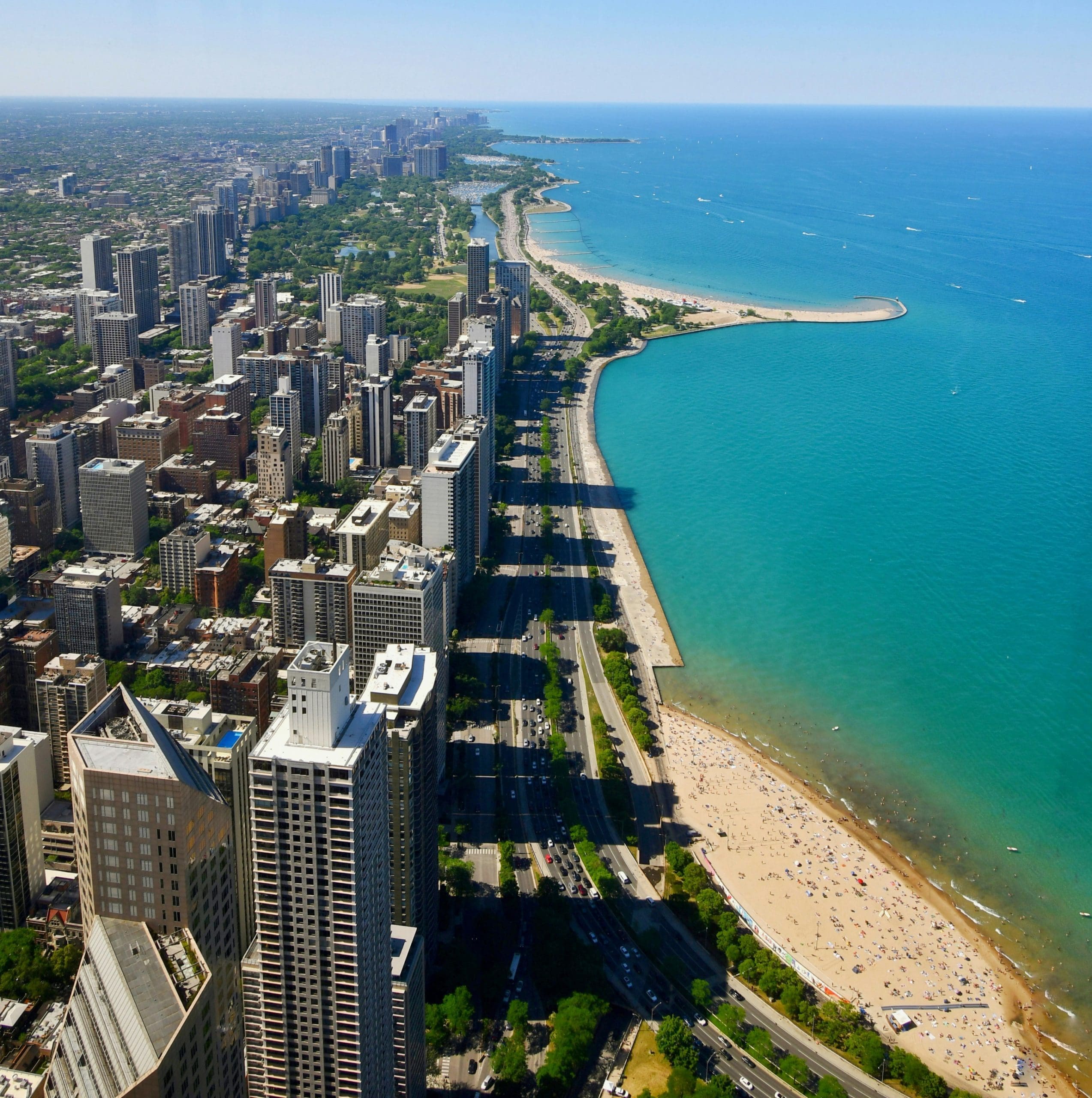
Chicago is home to over 600 parks, including such beautiful green spaces like Grant Park, Lincoln Park, and Humboldt Park. To go along with its more than 8,800 acres of parklands, is 24 sand beaches spread across 26 miles of lakefront.

You may also like: 10 Of Our Favorite Parks In Chicago
Since 1962, the City of Chicago has dyed the Chicago River green in recognition of St. Patrick’s Day. The green dye’s original use was to identify leaks in the city’s network of sewage pipes, but became a tradition after a group of city workers dumped 100 pounds of the dye in the river. The original dye was oil based, but today, a more environmentally friendly vegetable based powder is used.

From 1973 to 1998 The Willis Tower, formerly known as the Sears Tower, was the tallest building in the world. This 25 year stretch is the second longest that any skyscraper has held this distinction, with only the Empire State building having a longer span. Today, the iconic tower continues to dominate Chicago’s skyline and is still the third tallest building in the Western Hemisphere.

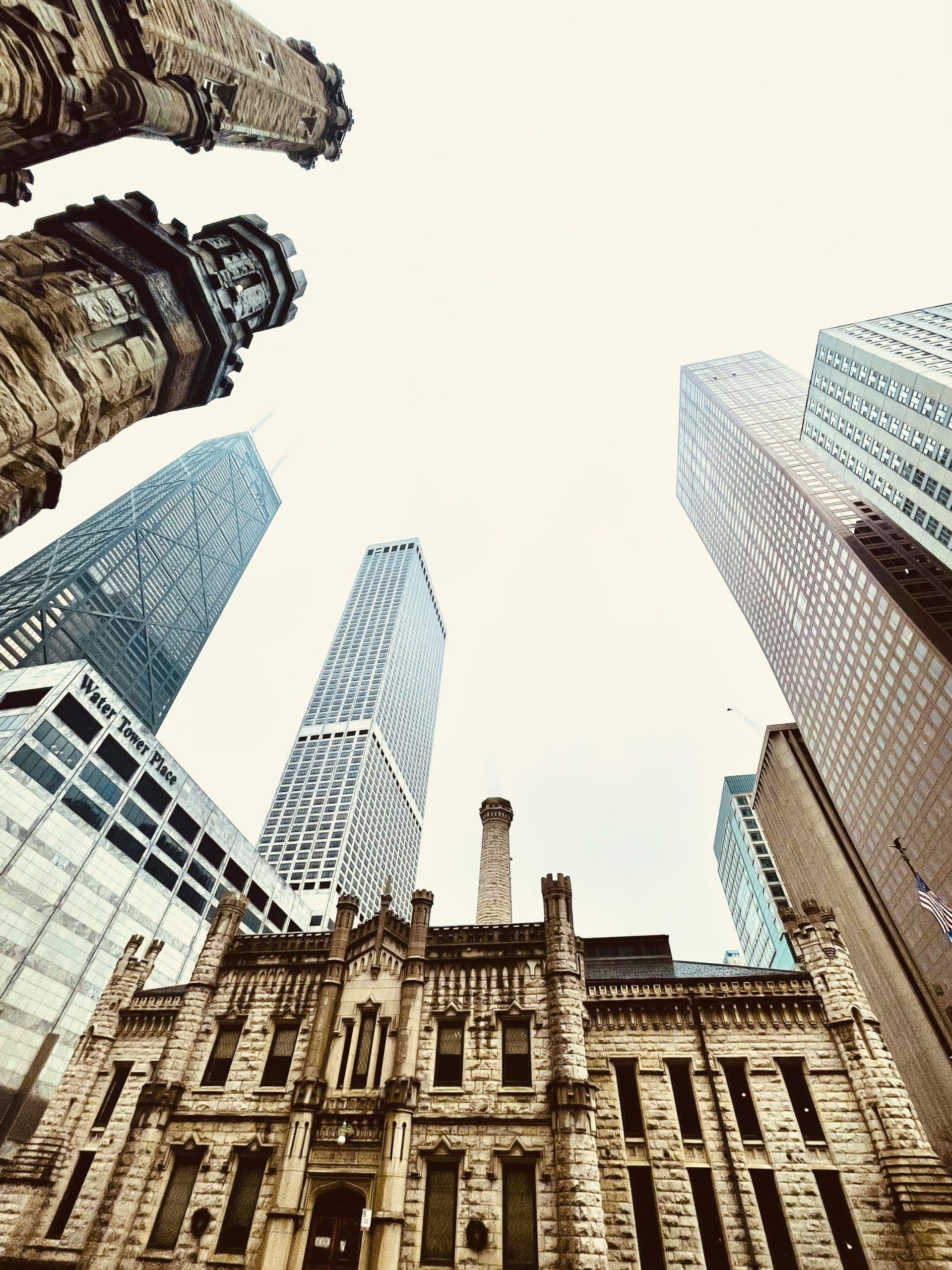
Near the corner of East Pearson and Michigan Avenue sits one of Chicago’s oldest structures, The Chicago Water Tower. Completed in 1869, its original purpose was to regulate water pressure for the growing city. In modern times it is an enduring symbol of the city’s perseverance, having been one of only a few buildings to survive the Great Chicago Fire of 1871.
On September 26th, 1960, The first-ever televised presidential debate took place at CBS Studios in Chicago between then Senator John F. Kennedy and Vice-President Richard Nixon.

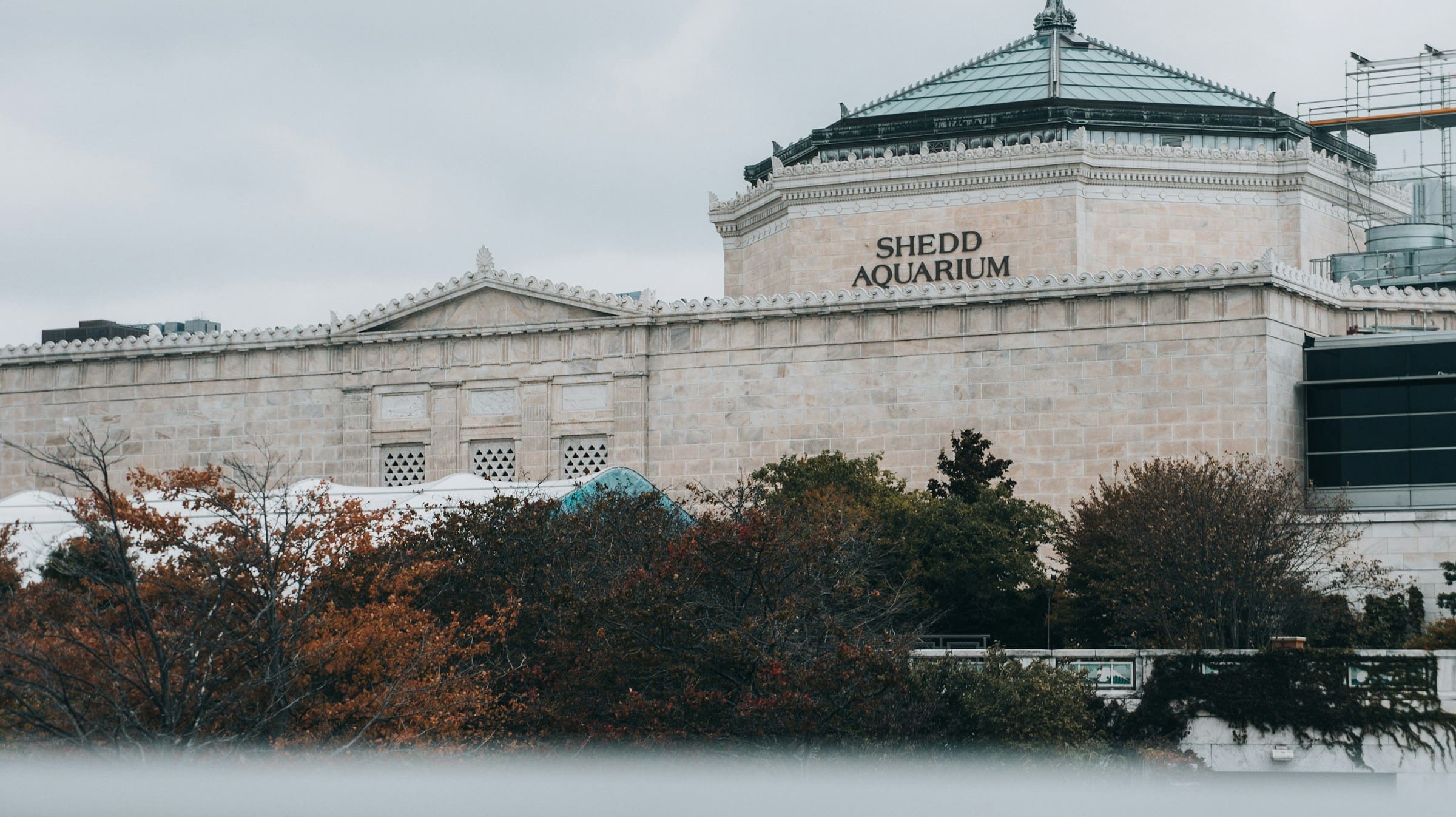
Chicago’s Shedd Aquarium first opened its doors on May 30th, 1930 and at the time, was the largest indoor facility in the world. Situated within the city’s Museum Campus along the shore of Lake Michigan, the aquarium was commissioned in 1924 by Marshall Field’s President John G. Shedd as a gift to the City of Chicago.
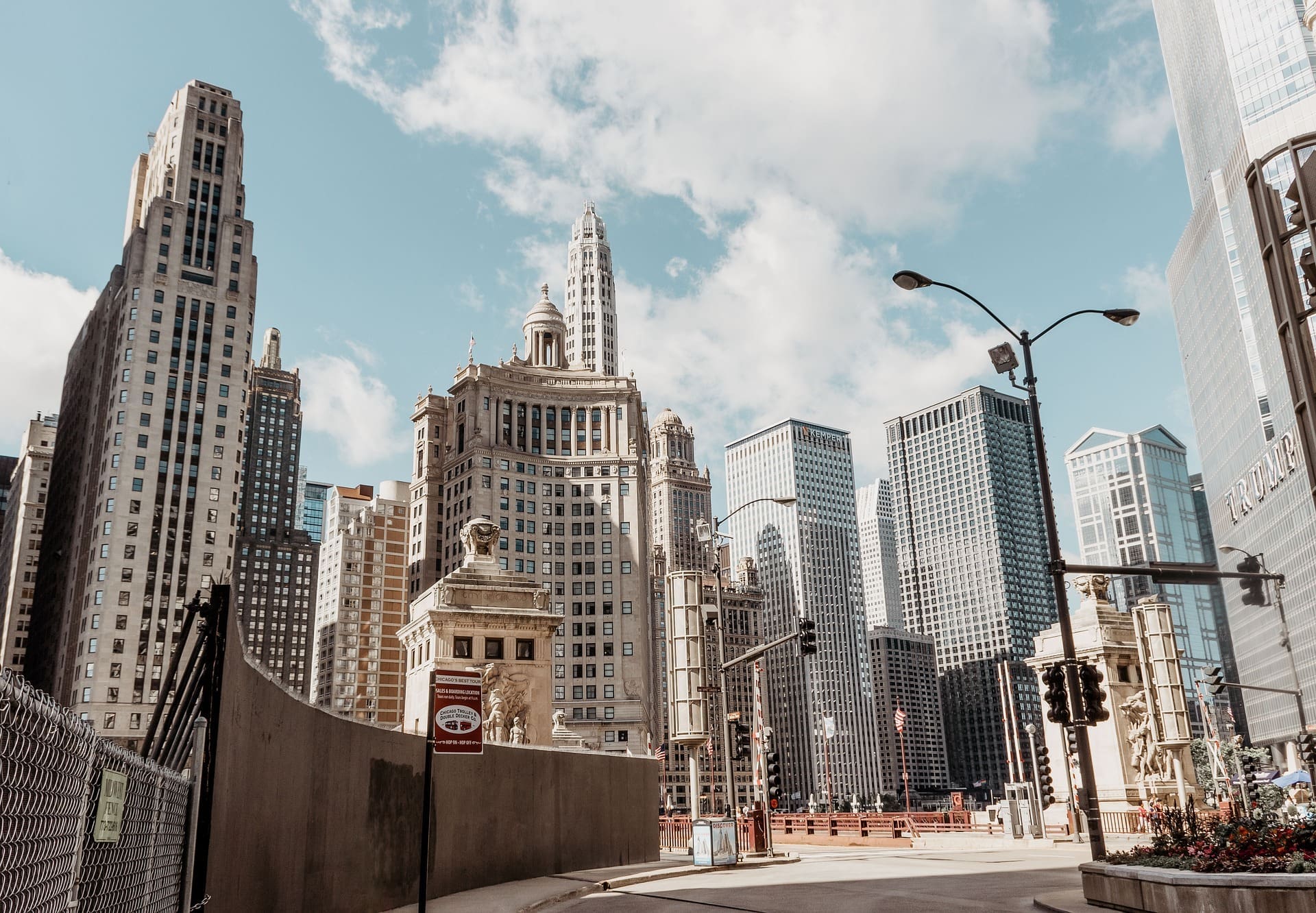
Chicago’s skyline is one of the most recognizable in the world, and features a mix of both historic buildings and modern skyscrapers. With 138 completed skyscrapers standing tall throughout the city, it has the 2nd most skyscrapers in the United States after New York City, and the 11th largest collection in the world.

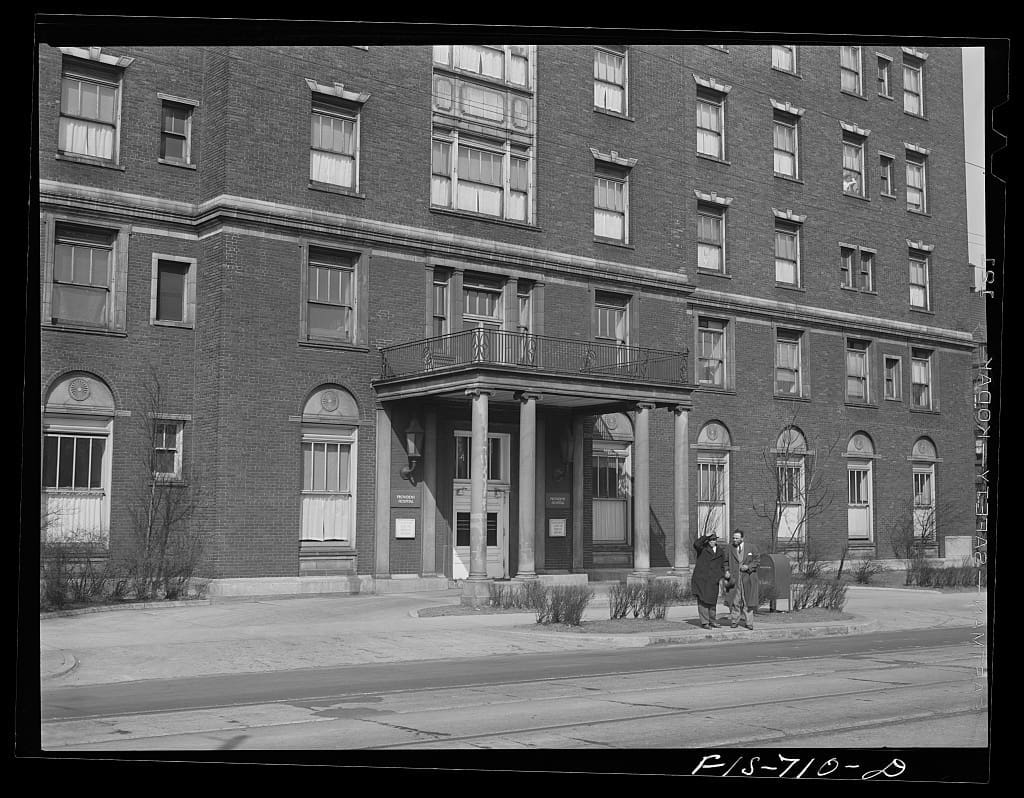
In 1893, the world’s first successful open-heart surgery was performed by Dr. Daniel Hale Williams at Provident Hospital in Chicago. The hospital itself was the first non-segregated hospital in the United States, and the first to be run by African-Americans.
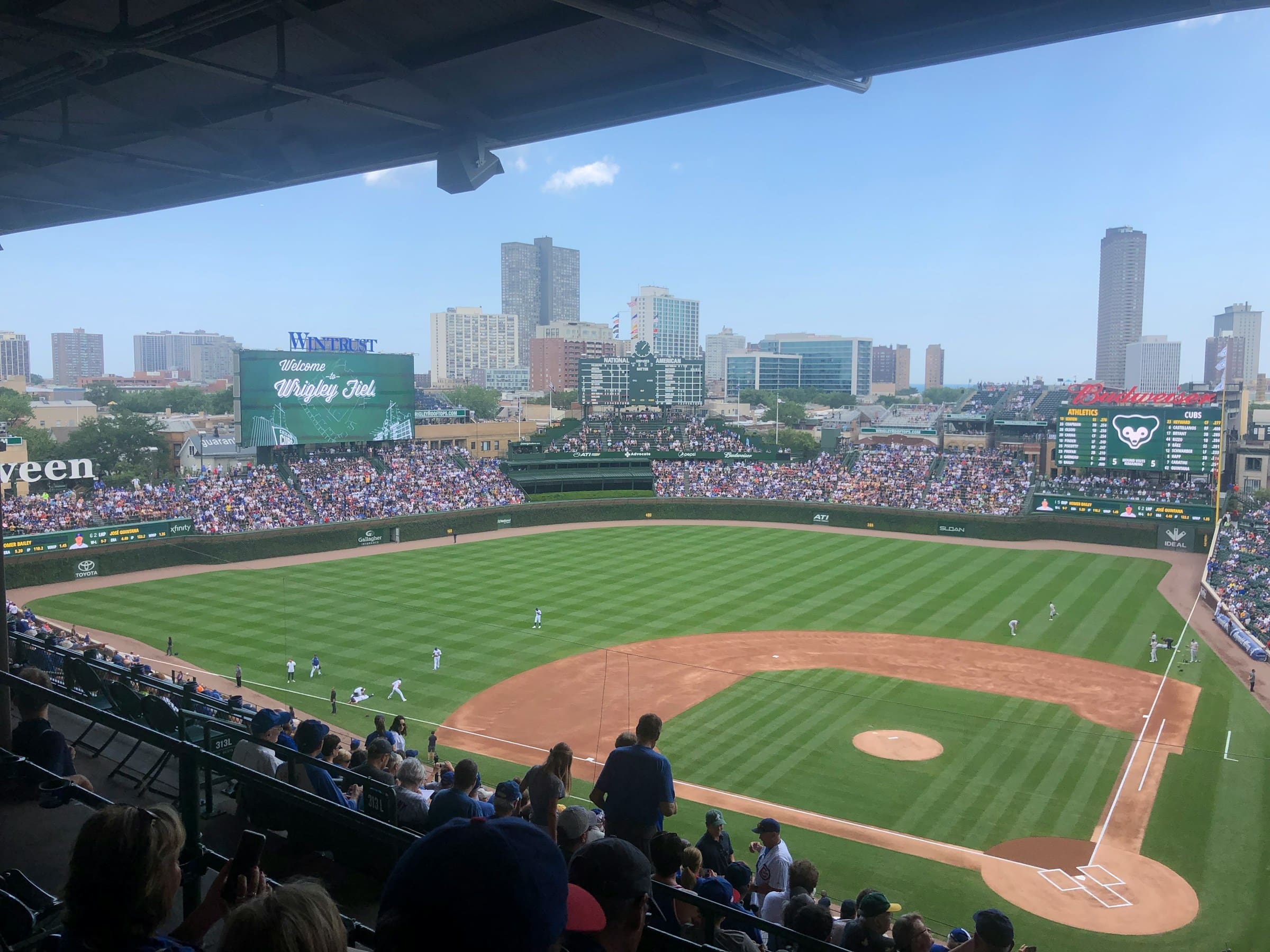
Chicago is one of only 12 US cities with teams in all of the major American sports leagues: the Chicago Bears (NFL), the Chicago Bulls (NBA), the Chicago Cubs and Chicago White Sox (MLB), the Chicago Blackhawks (NHL), the Chicago Sky (WNBA), and the Chicago Fire (MLS).
You may also like: How Chicago’s Sports Teams Got Their Names
The Pullman Strike of 1894, which started in Chicago, was a pivotal event in U.S. labor history. The dispute was a result of severe work-related grievances by employees of the Pullman factory in Chicago, and was organized by the American Railway Union. The strike had a significant impact on US Labor law, and also led to the establishment of Labor Day as a national holiday.

The annual Taste of Chicago held in Grant Park is the largest free food festival in the world, attracting more than 3 million visitors every year. The festival first began in 1980, and features a wide variety of local and international dishes, as well as live performances and other entertainment.

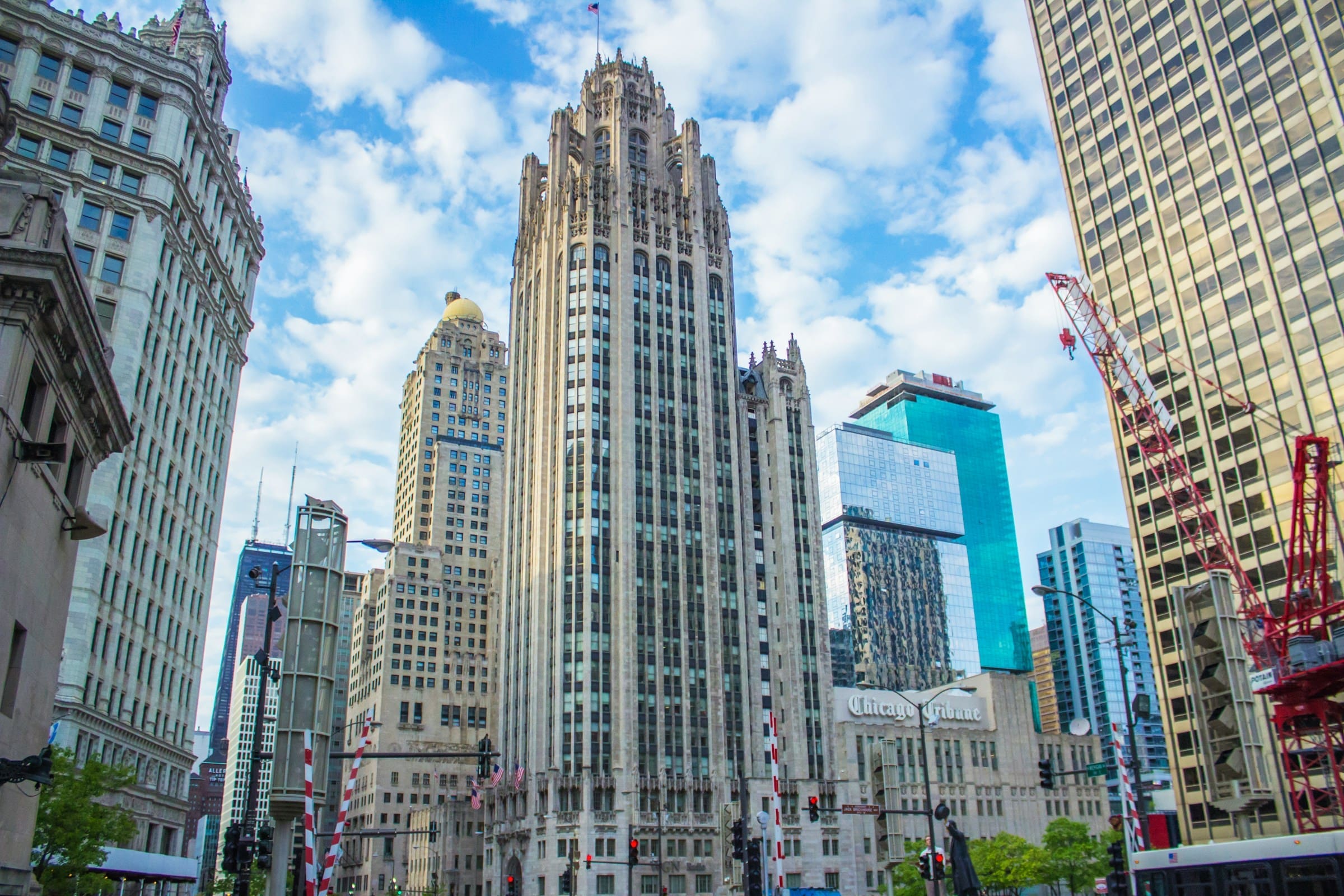
The Tribune Tower was the result of a design competition held in 1922, where contestants submitted their ideas for a building that would celebrate Chicago’s 75th anniversary. Completed in 1925, the 463 ft tall tower is a striking example of the Neo-Gothic architectural style that was popular in the mid 19th century to early 20th century. Embedded within the building’s facade are pieces of other famous buildings including the Parthenon, the Great Wall of China, and the Taj Mahal.
The Chicago Marathon is held each October and is one of six World Marathon Majors. The event is the fourth largest race in the world by number of finishers and in 2023 attracted more than 48,000 runners.

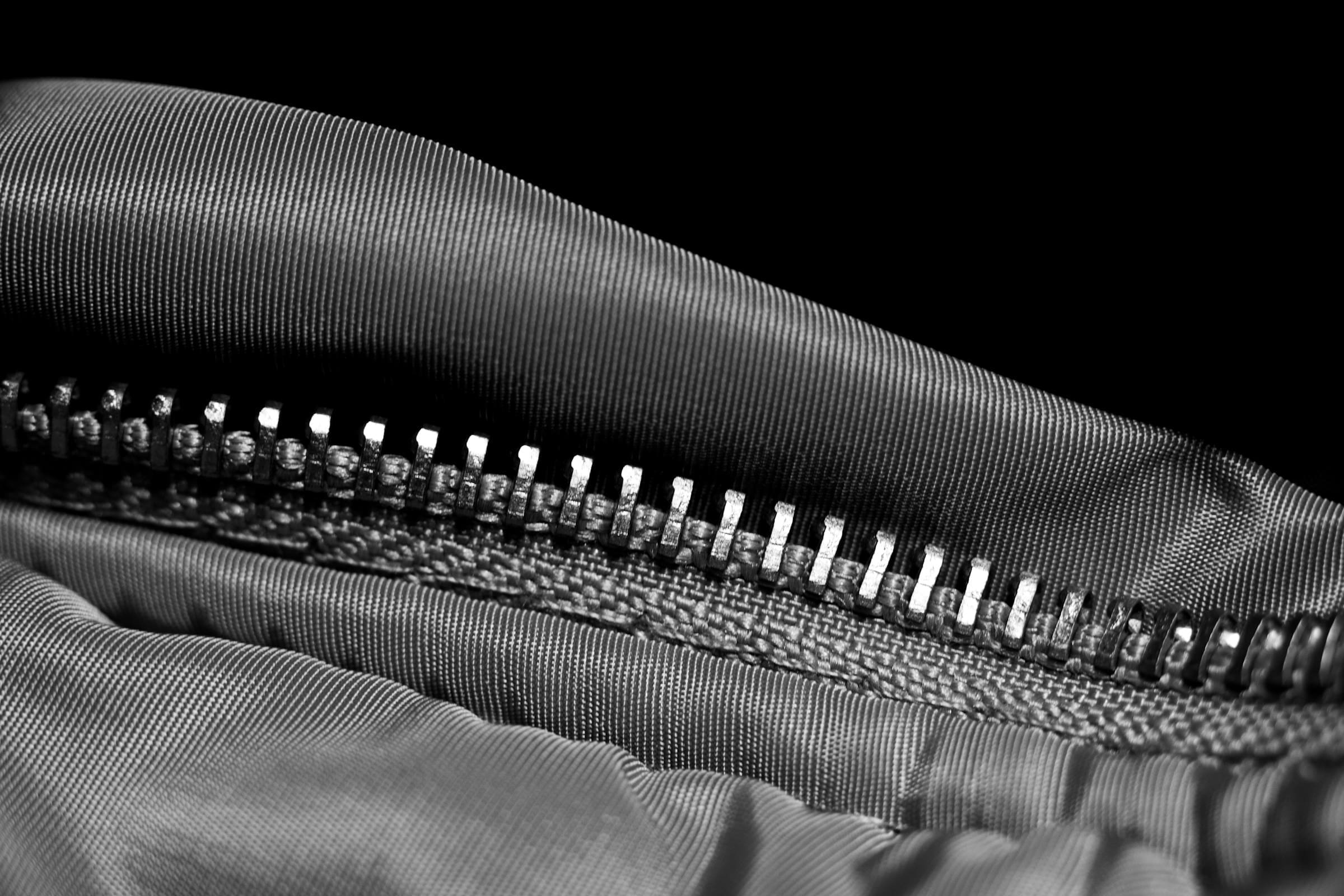
One of Chicago’s most underrated contributions to the world is the modern zipper, which was invented by Whitcomb L. Judson in 1893. Judson’s “clasp locker” was patented in May of 1893 and first showcased at the Chicago World’s Fair later that year.
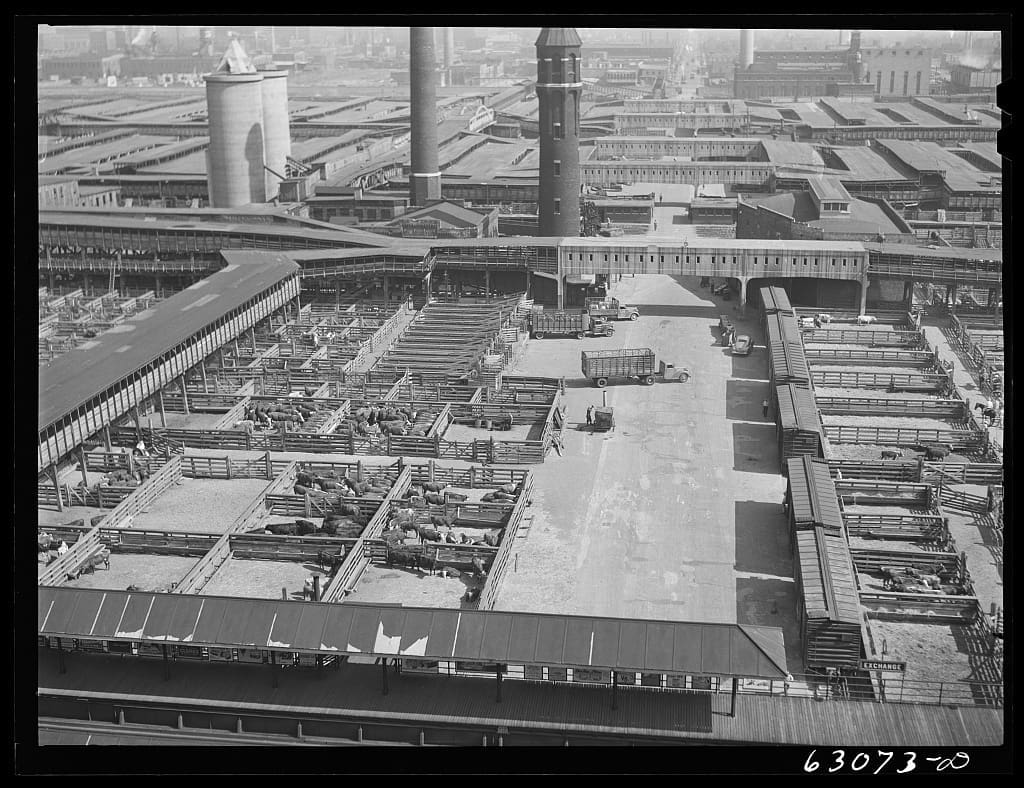
Chicago was once known as “The Hog Butcher of the World”, alluding to its decades long status as the meatpacking capital of the world. For nearly 100 years, the epicenter of the industry was The Union Stockyards, located in the present day Back of The Yards neighborhood.
Another significant Museum Campus structure is The Adler Planetarium, which first opened its doors in 1930. The Adler Planetarium was the first planetarium built in the United States, and to this day, remains a destination for Chicagoans to explore their space curiosities.

The Lincoln Park Zoo is the fourth oldest zoo in the U.S. and is one of just a few that is free to the public. Today the zoo is home to over 200 animal species and is visited by more than 3.4 million people each year.

House music originated in the underground clubs of Chicago in the early 1980s. It was pioneered by DJs like Frankie Knuckles and Ron Hardy and became popularized through its adoption by black and brown communities, as well as the LGBTQ scene.

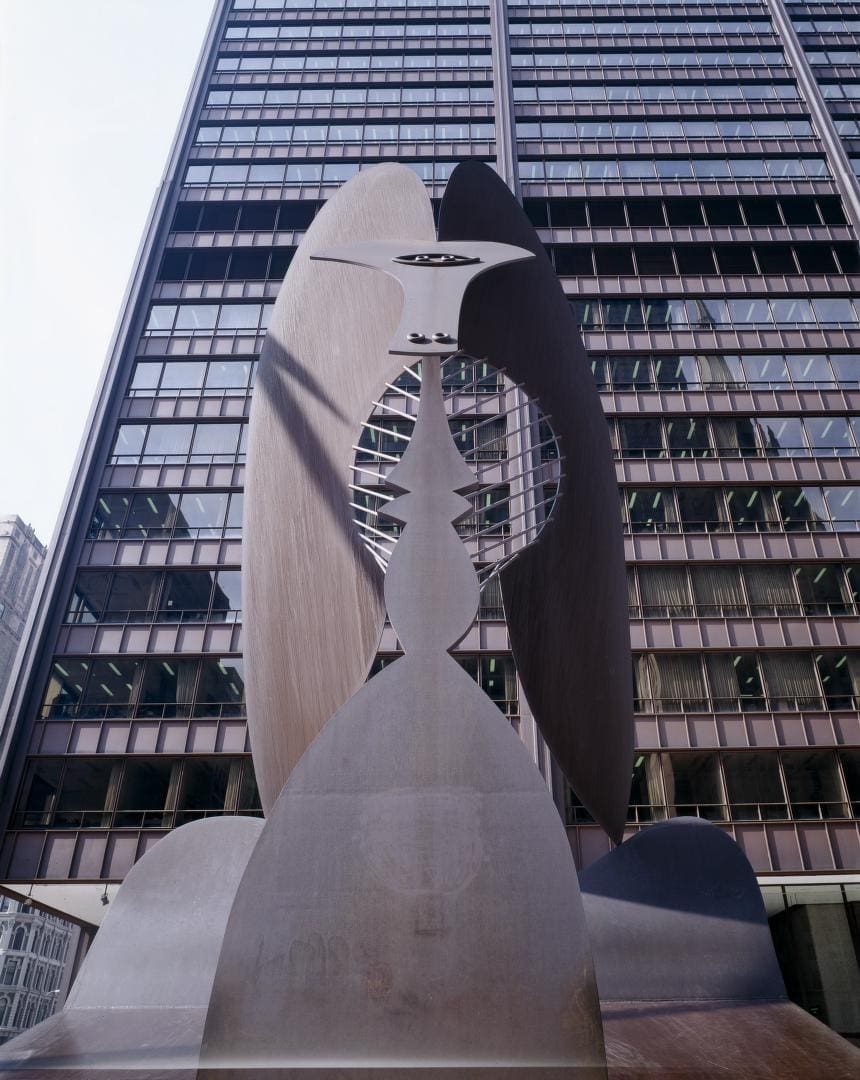
Chicagoans who pass through Daley Plaza frequently, may not know that the 50 foot tall abstract structure that they pass every day is a gift from one of the most famous artists in history. The Chicago Picasso, as it is known, was commissioned by the city and designed by Pablo Picasso in 1966. Unveiled to the public in 1967, it was a gift from the artist to the city, who refused the $100,000 payment that the city offered him.
When the Merchandise Mart was completed in 1930, the former wholesale warehouse was the largest building in the world at more than 4 million square feet. In fact, up until 2008, the building was the sole owner of the 60654 zip code. Today, the building is mixed use, and features showrooms, office spaces, and even a hotel.

Chicago is an amazing city with an expansive history that has allowed for it to have an incredible impact on our modern world. The people that the city has shaped, and the institutions it has produced have contributed significantly to our world and continue to do so each day. These 24 facts only scratch the surface of what makes Chicago one of the greatest cities on the planet.