


Dozens of cities around the world have successfully integrated pedestrian-only streets into their urban planning schemes, and have managed to reap numerous benefits as a result. Although Chicago is much more pedestrian friendly than many other cities in the United States, it has lagged behind its global counterparts in implementing such pedestrian friendly improvements.
Evidence shows that pedestrian only streets have several benefits related to economic development, safety, livability, and more. Here we present six compelling reasons that show just why Chicago should consider pedestrianizing some of its streets.
Pedestrian-only zones significantly reduce the likelihood of accidents between vehicles and pedestrians. In New York City, for example, implementing pedestrian plazas in Times Square has led to a 40% drop in pedestrian injuries and a 15% drop in vehicle accidents. Chicago could also improve pedestrian safety in a similar manner by transforming areas with high foot traffic, such as parts of Michigan Avenue and State Street, into pedestrian only zones.

In cities like Copenhagen, Berlin, and Toronto, studies have shown that pedestrian only areas report higher spending and greater customer traffic than streets that cater to automobile traffic. The simple fact is that retail businesses flourish in pedestrian-friendly environments, because cars don’t make purchases.
In Chicago, this can be seen already on streets like Milwaukee Avenue in Wicker Park, where dozens of retail businesses thrive due to the friendlier pedestrian environment in the area. Now imagine this street completely cut off to cars, with green spaces and public areas implemented instead of asphalt and parking lots. It would transform into a place where the public feels even more comfortable spending greater amounts of time in, which would have a positive impact on the economic growth in the area.
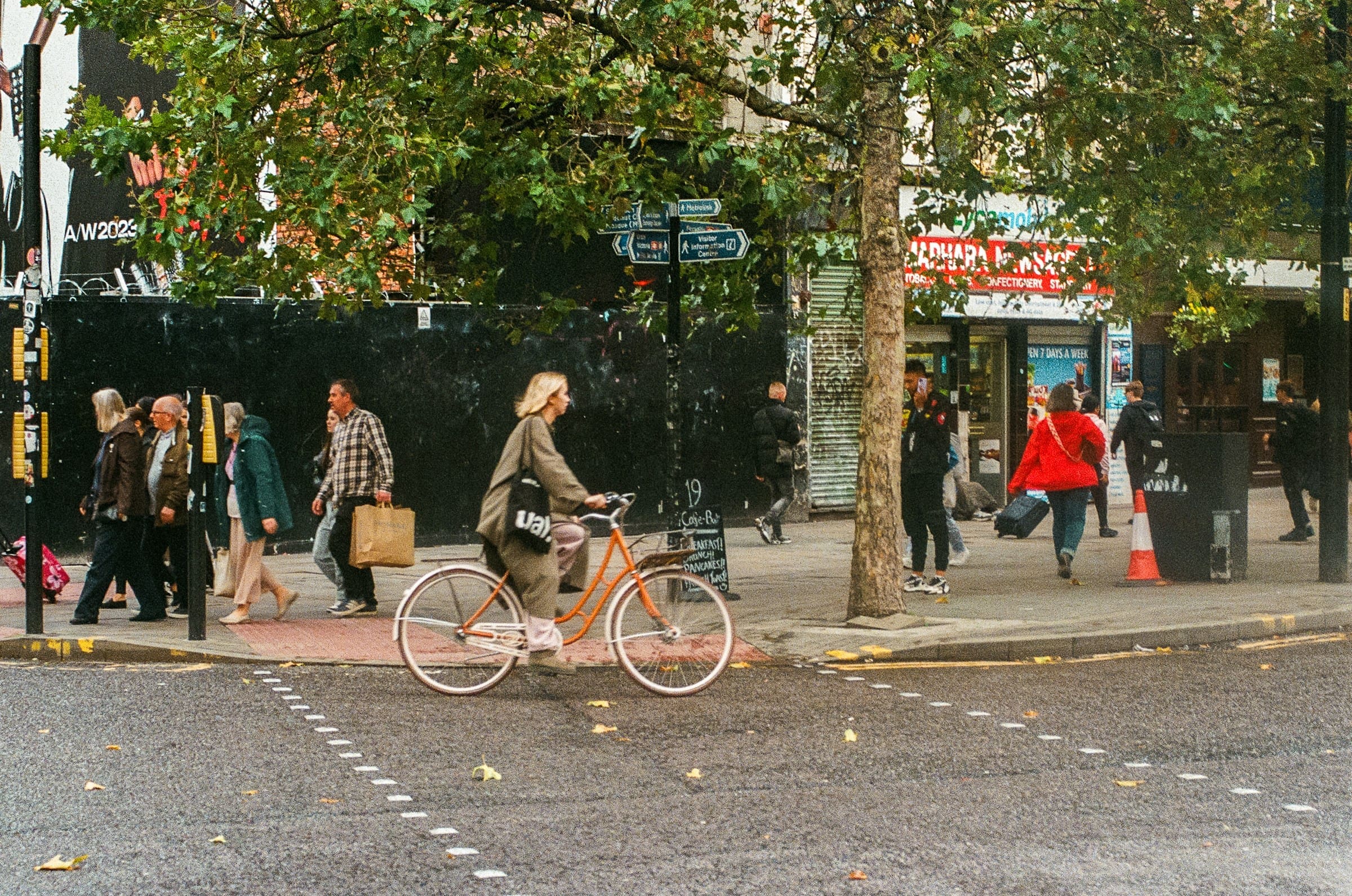
Vehicle emissions are a major contributor to urban air pollution so by making more streets pedestrian friendly, Chicago could reduce these emissions and improve its air quality while also promoting public health. In 2015, Paris cut smog levels by 40% when it removed cars from the road for just one day. Although removing cars completely may not be realistic currently, designating car free zones across the city could have major impacts on pollution levels and the overall health of Chicago’s citizens.
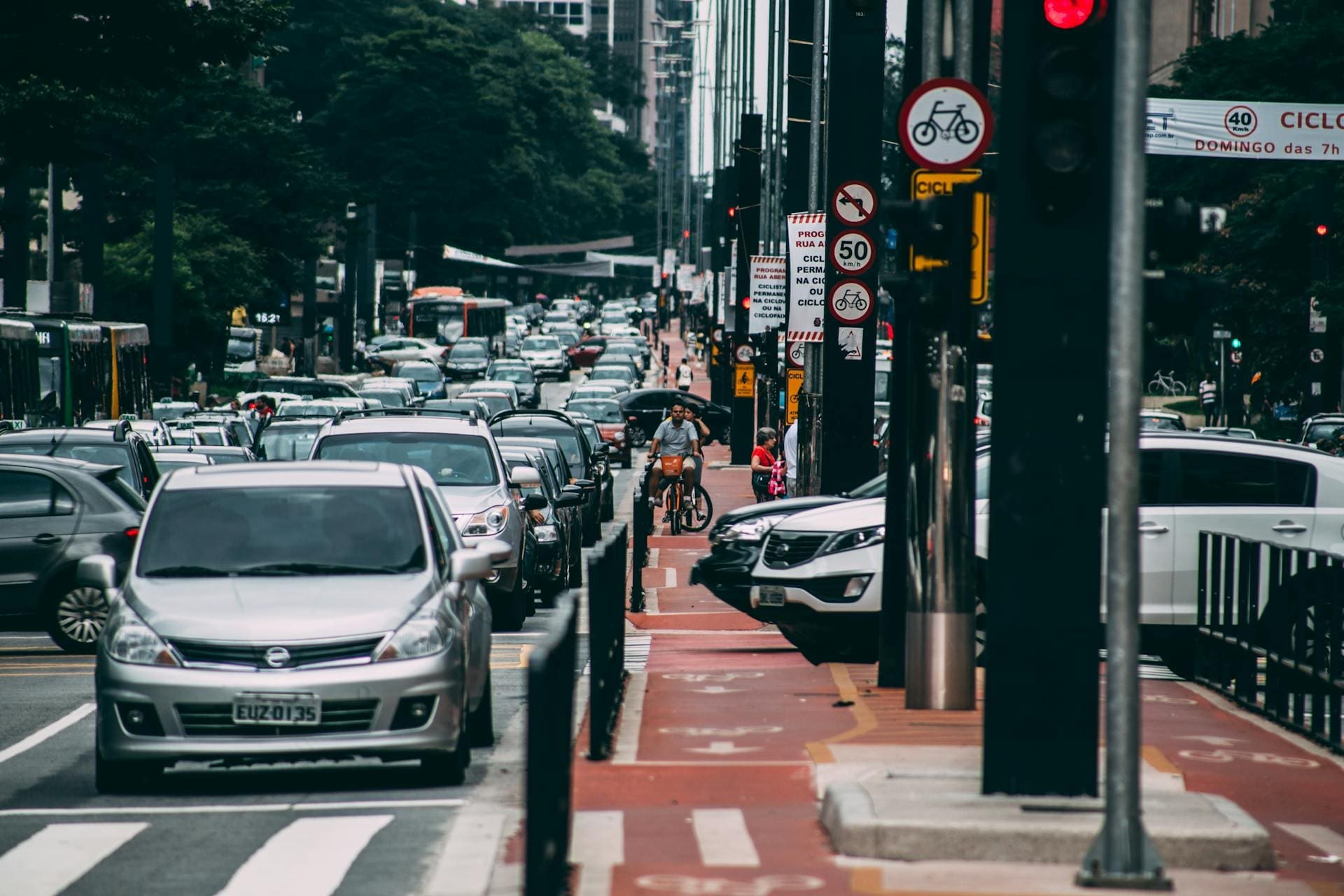
Pedestrian-only zones increase the livability of a city by providing spaces for social interaction, leisure, and cultural events without the interference of vehicular noise and danger. Developing these zones could also serve as a “third place” that would allow for creativity and social interaction to flourish. A study done by the UK’s National Institute of Health found that citizens of Seoul were more satisfied, and reported higher levels of happiness when car-free zones were implemented in their city.

Public transportation overall has been more or less neglected by Chicago’s leaders in recent years. There are many ways that the city can improve upon its public transport system, but a great place to start is by limiting vehicle access and improving pedestrian infrastructure.

You may also like: These Are The 10 Most Populated Neighborhoods In Chicago
There is a reason why many of the most visited cities in the world tend to be walkable, pedestrian friendly places. Tourists are more likely to visit and spend time in areas that are pedestrian-friendly, and the creation of these areas would enhance the tourist experience.
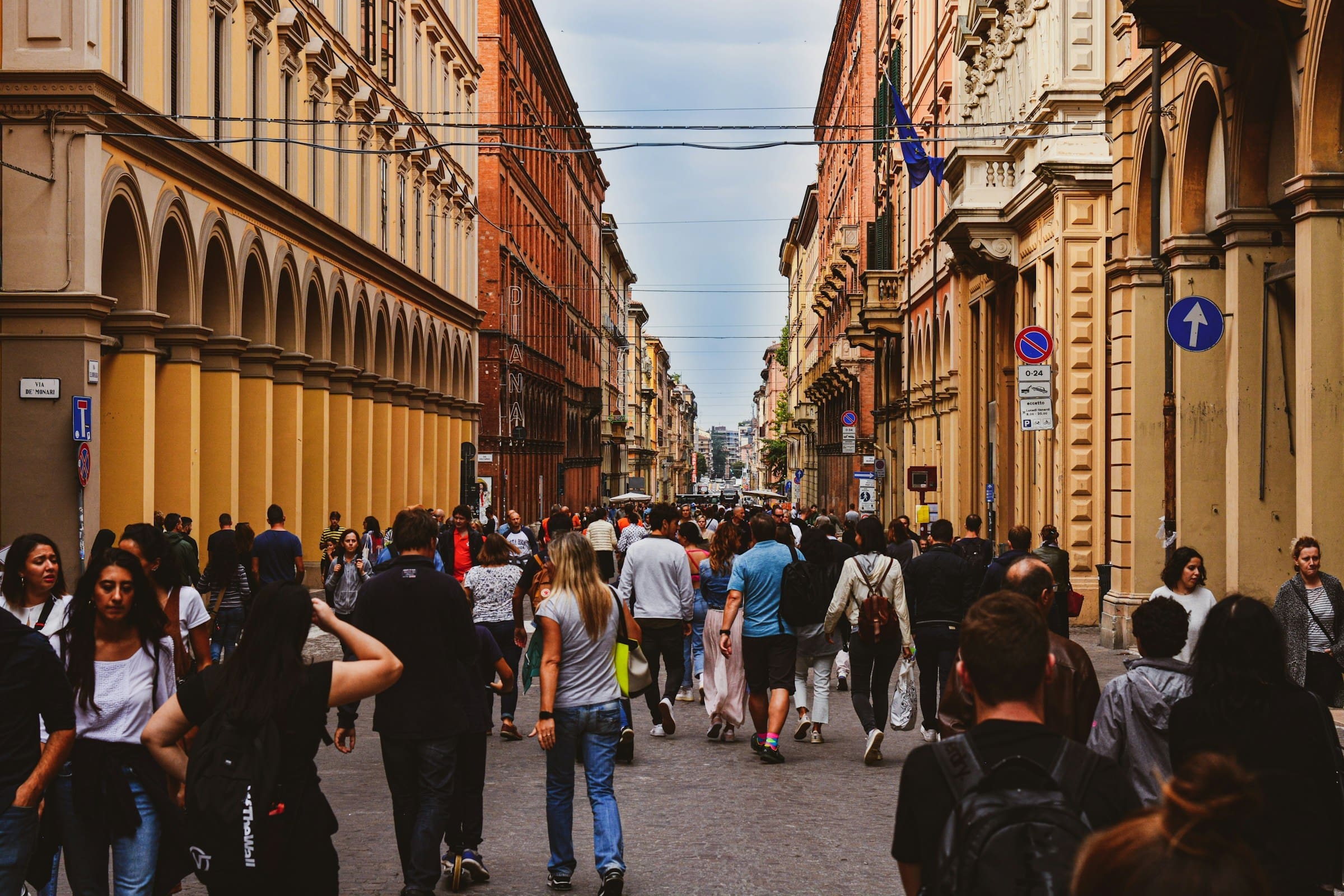
Implementing pedestrian-only streets offer a ton of great advantages that Chicago could benefit from if they are integrated correctly. Improving public health, safety, and the local economy are all basic duties that we entrust and expect our city’s leaders to manage, and this is one way that they can address all of these things.
By examining successful examples of car-free zones from around the world, Chicago can craft a pedestrian-friendly urban environment that enhances the quality of life for all its residents and visitors.