Year Annexed By Chicago – 1889
Named For – General John. A Logan
Population – 71,252
Population Density – 22,000 Per Square Mile
Area – 3.23 Square Miles
Alderman – Daniel La Spata – Website
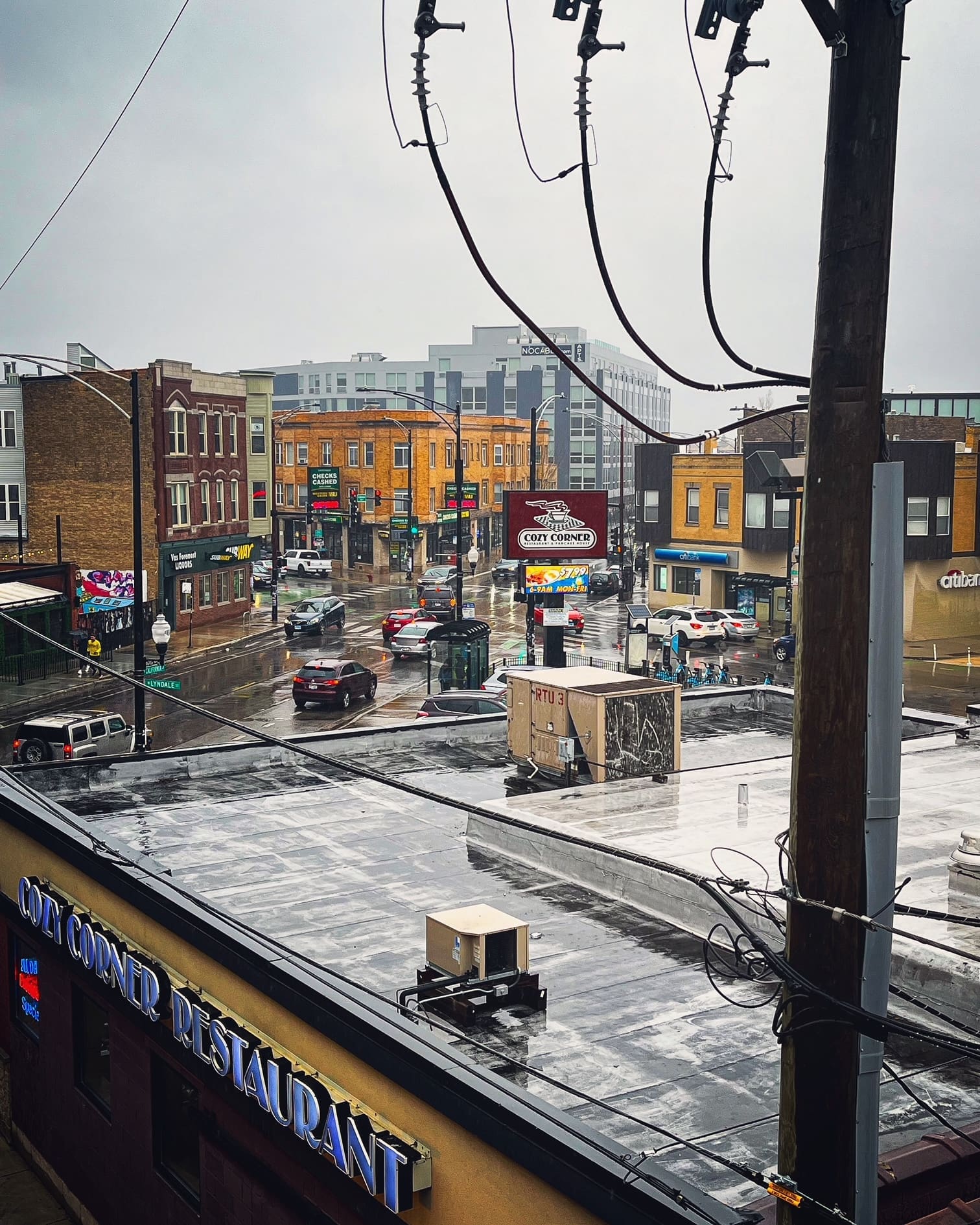
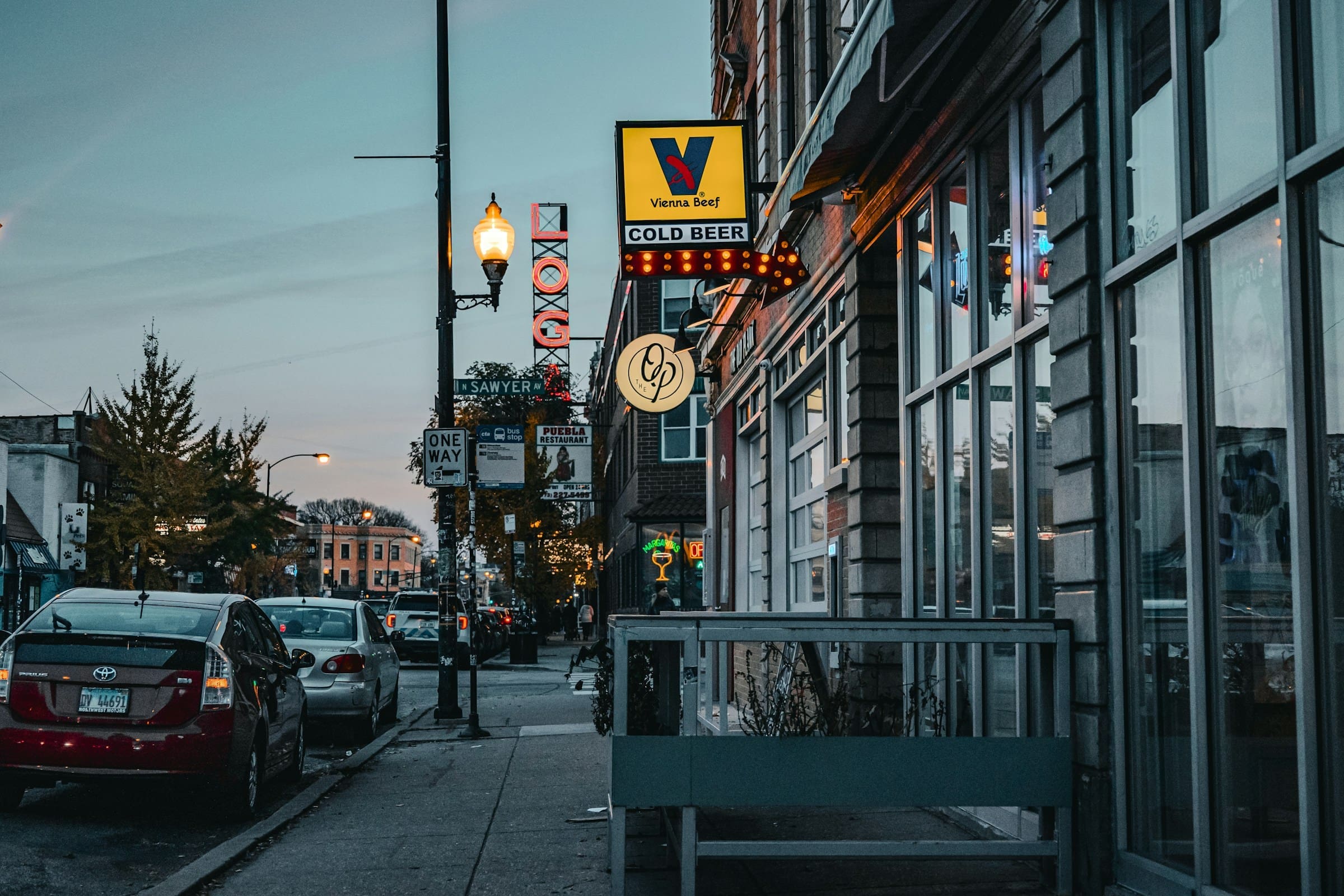
Logan Square is one of Chicago’s most popular neighborhoods, and is known for its art scene, quintessential Chicago architecture, and entertainment options. Located on the city’s northwest side, it has become a sought-after destination for those who appreciate its tree-lined boulevards and diverse community.
The area that is now called Logan Square’s was originally part of the larger Jefferson Township. After Chicago annexed the township in 1889, the neighborhood began to experience increased levels of development, matching the rapid development of Chicago during this time.
In the late 19th and early 20th centuries, Logan Square started to attract a flood of European immigrants, mainly originating from Germany, Poland, and various Scandinavian countries. The early character of Logan Square was shaped by these communities as they began to build churches, schools, and businesses that catered to their cultural traditions. The development of the city’s “Boulevard System,” which connected parks via broad, landscaped streets, was also a significant factor in Logan Square’s growth. The neighborhood’s centerpiece, Logan Boulevard, became a prestigious residential area lined with stately greystone homes and large mansions.
The 20th century was a transitional period for Logan Square. The expansion of the automobile industry and the neighborhood’s proximity to downtown made it a desirable place for middle-class families. However, like many Chicago neighborhoods, Logan Square experienced an economic downturn post-World War II which in turn caused community disinvestment, suburban flight, and a rise in crime.
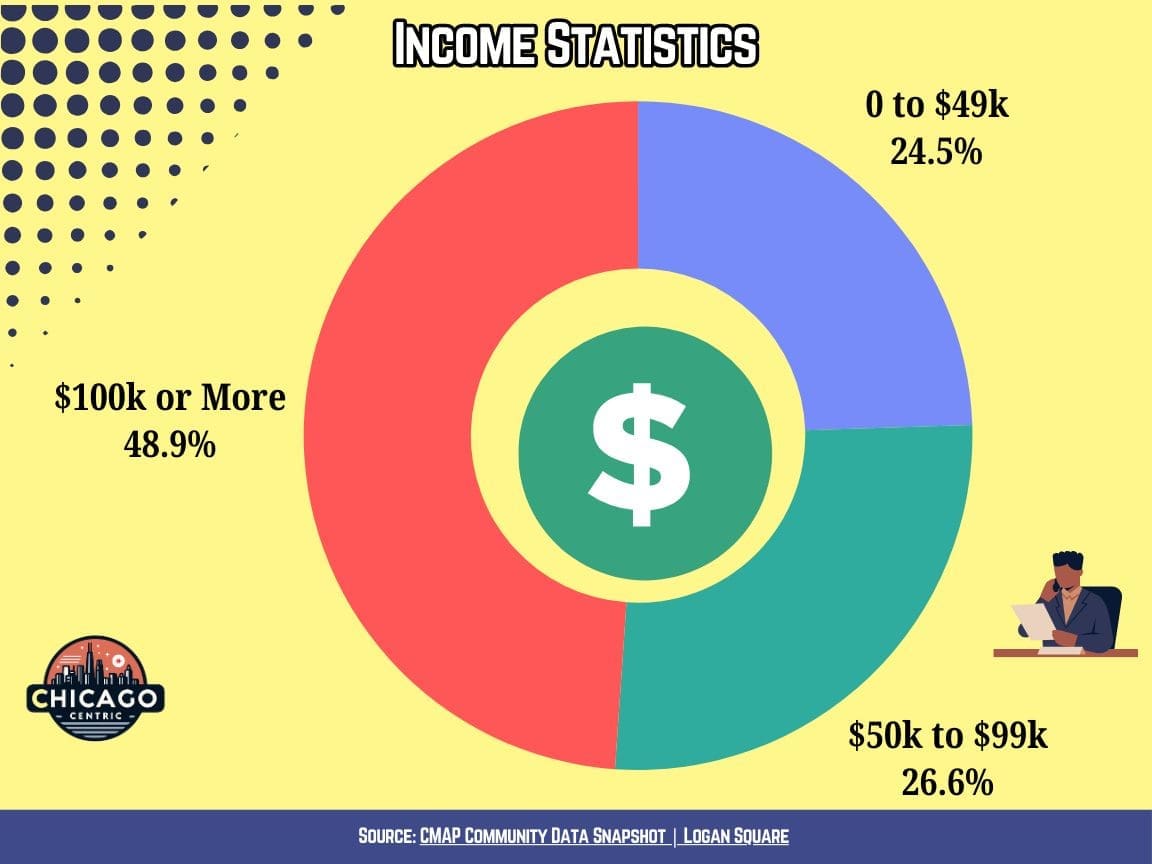
The Logan Square of today is known as one of Chicago’s most dynamic neighborhoods. The area has undergone significant gentrification since the early 2000s which has attracted a younger, more affluent population while pushing out many of those who have called the neighborhood home for decades.
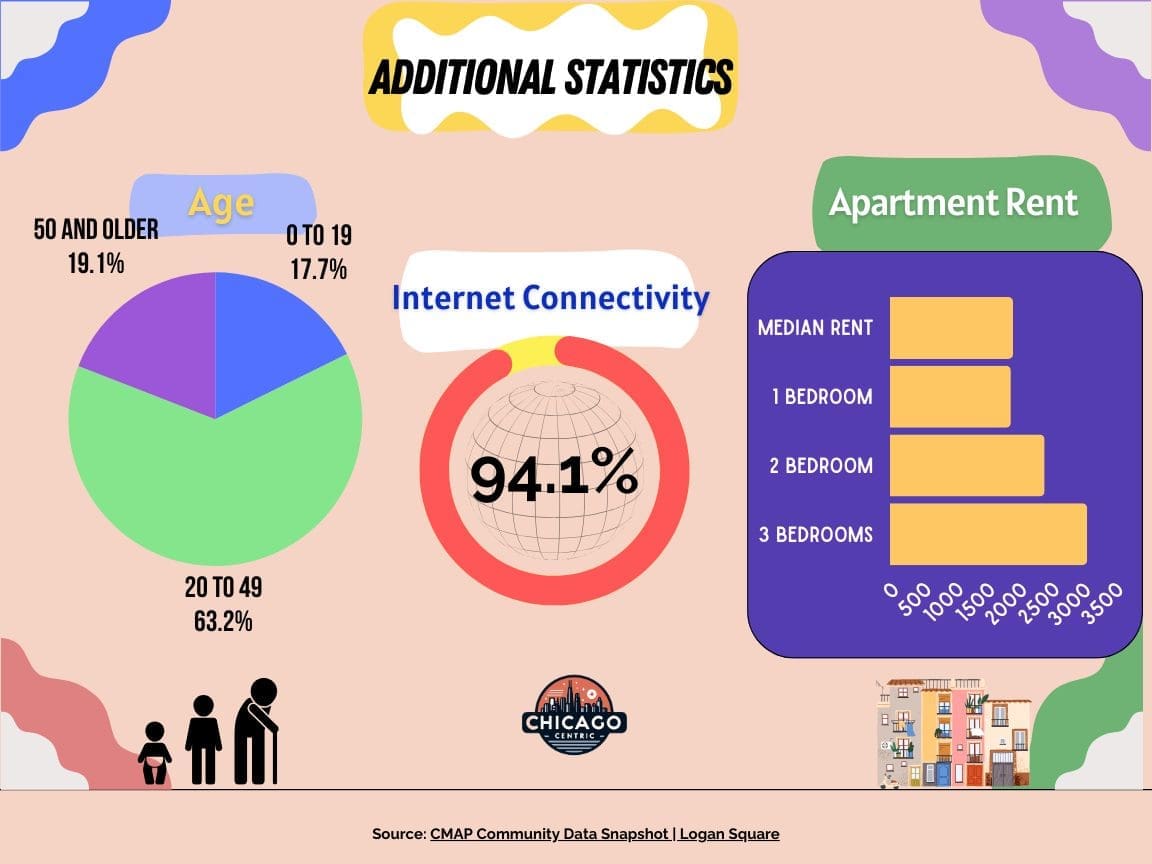
The changes to the area have increased the economic viability of Logan Square, but have also created ongoing problems that affect housing affordability and the preservation of the neighborhood’s cultural fabric. Despite these issues, Logan Square has managed to maintain at least a part of its character, and efforts from community organizations continue the fight to protect affordable housing and preserve local businesses.
You may also like: 8 Of Chicago’s Best Comedy Clubs
Data from this article was collected from the following sources: