

As with any conversation about local governance in large American cities, the question of power distribution among elected officials is central. Chicago is no stranger to such discussions, with a long and infamous history of power vacuums within the city’s top leadership positions. One notable example of governing positions that seem to wield an unbalanced amount of power are the city’s alderpersons.
The men and women who serve in these roles have significant influence over both their wards and broader city policies. This includes the almost unheard of power to control important civic policies such as zoning, city contracts, and licensing within the boundaries of their individual jurisdictions. Powers such as these, when unchecked, can lead to corruption and many question if the alderpersons in Chicago have too much power.
The role of alderperson has evolved over the decades, but the foundational structure of wards within the city electing officials to represent their community has provided part of the base of Chicago’s government. The system as it exists today, with 50 alderpersons representing 50 wards, has been in effect since 1923. The collective group of alderpersons form Chicago’s city council, and meet regularly to vote on various issues such as taxes, city ordinances, code changes, and more.
Alderpersons in Chicago are also responsible for a variety of decisions that directly affect their constituents. Part of this responsibility comes from what is known as “aldermanic privilege”, which essentially makes them the sole decision makers within their ward. This practice is not an official policy, but is instead based on tradition and informal agreements within the city’s government.
Such privileges include zoning decisions, which can influence how neighborhoods develop and property values, and the allocation of “menu money,” which is a budget that each alderperson receives to spend on infrastructure improvements in their respective communities.
Proponents of how the current system functions argue that by empowering aldermen with substantial local control, constituents have more direct access to their elected officials. This proximity to power can be seen as a democratic positive, allowing for more immediate responses to community needs and concerns.
Aldermen often have a deep understanding of their wards’ unique challenges and opportunities, which can lead to more tailored and effective governance. For instance, an alderman might allocate menu money for needed repairs on specific streets.
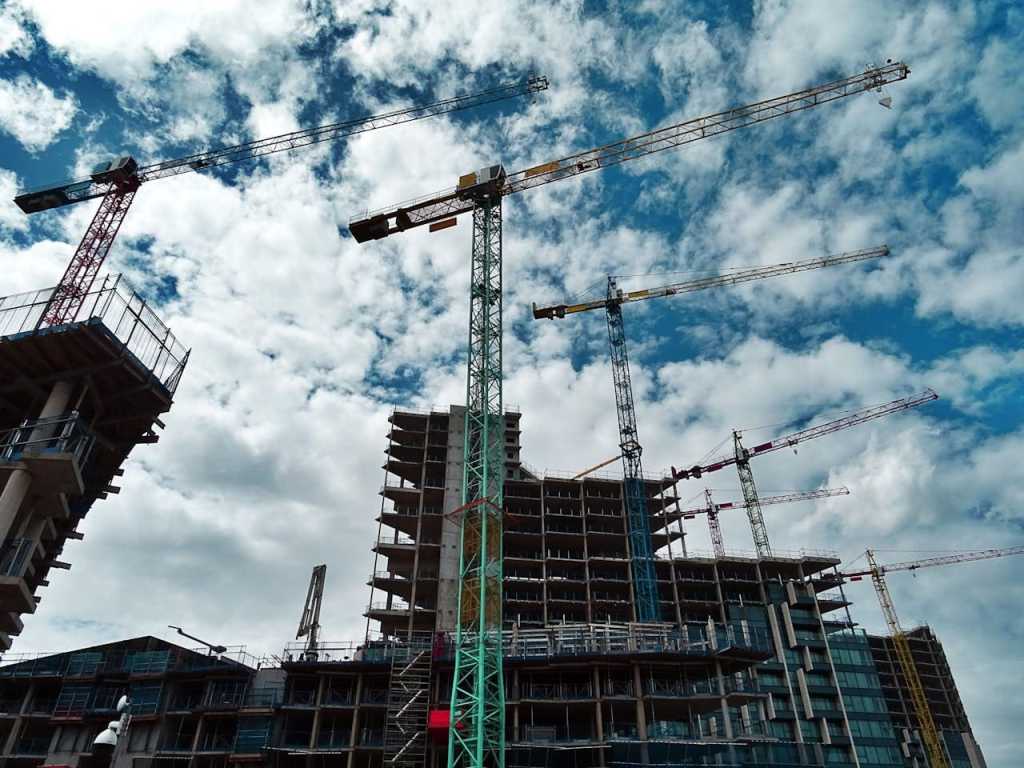
However, this power has also led to many concerns regarding the potential for abuse. This system has made it possible for alderpersons to deny permits that would benefit the city as a whole, such as blocking multifamily developments, the construction of affordable housing, and new train stations. Developments such as these would have a significant impact on how Chicago manages growth and makes the city more affordable and safer for its residents. This is especially important at a time when the CTA is operating at all time lows in nearly all of its performance metrics, and rents and property values are increasing rapidly while new housing construction is almost stagnant.
You may also like: Six Reasons Chicago Needs Pedestrian Only Zones
Given these concerns, it is apparent that the city can no longer afford to have its progression stunted by individuals who hold too much power. Chicago is currently in the midst of modern civic issues such as the increasingly unaffordable rises in its cost of living, its problems implementing reliable urban transit, and an ongoing homelessness crisis. These modern issues require the elimination of antiquated governing practices if the city is to provide modern solutions for its citizens.
It is time for the voter’s of this city, who want to see Chicago compete with the great cities of the world, take action by demanding change from our leadership. Politicians should operate as an extension of the people, and for the greater good of society as a whole. Continuing to conduct their duties as individuals who only pursue policies that further their individual agendas is not sustainable, and those who continue to govern in this manner should not be in positions of power.