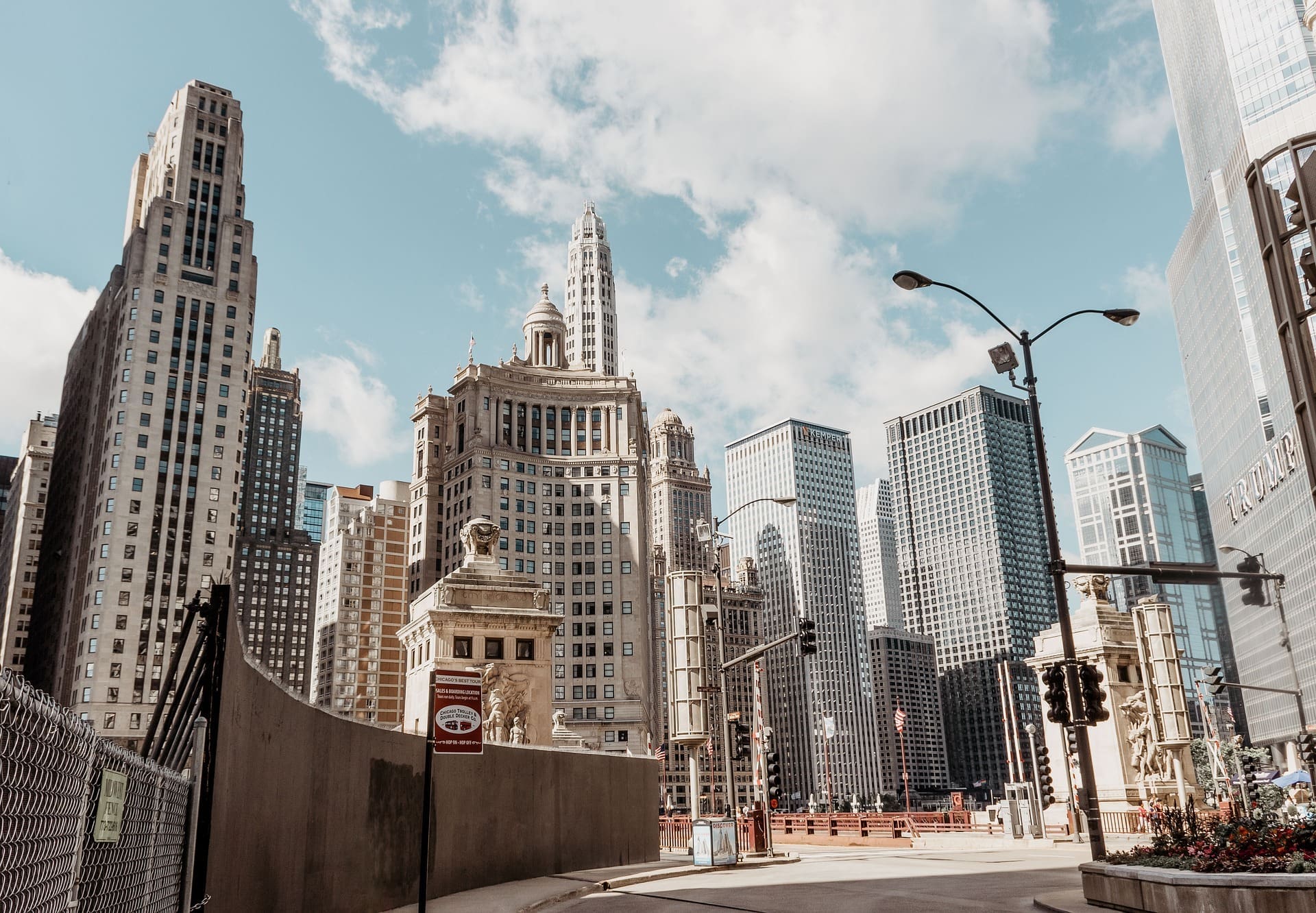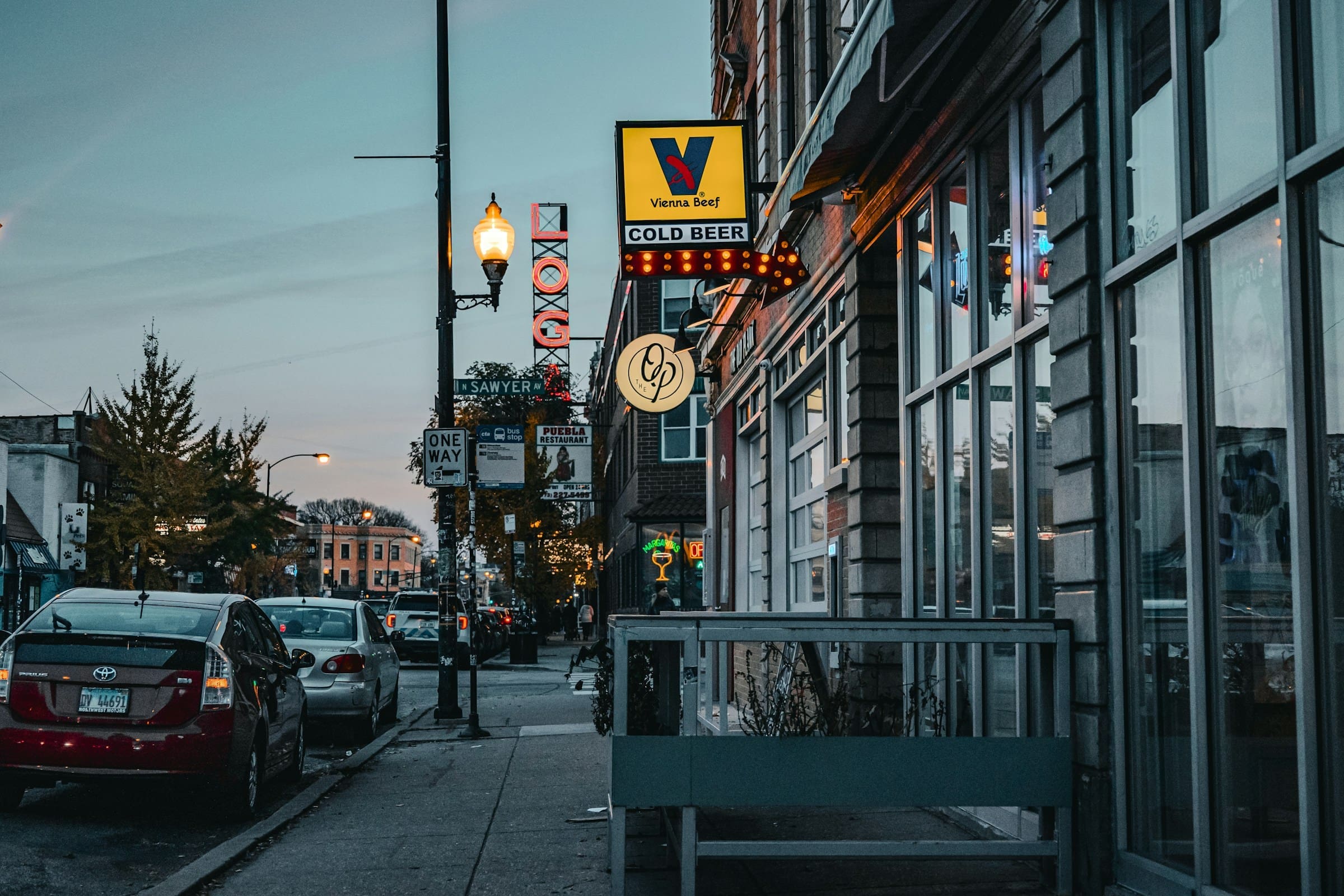
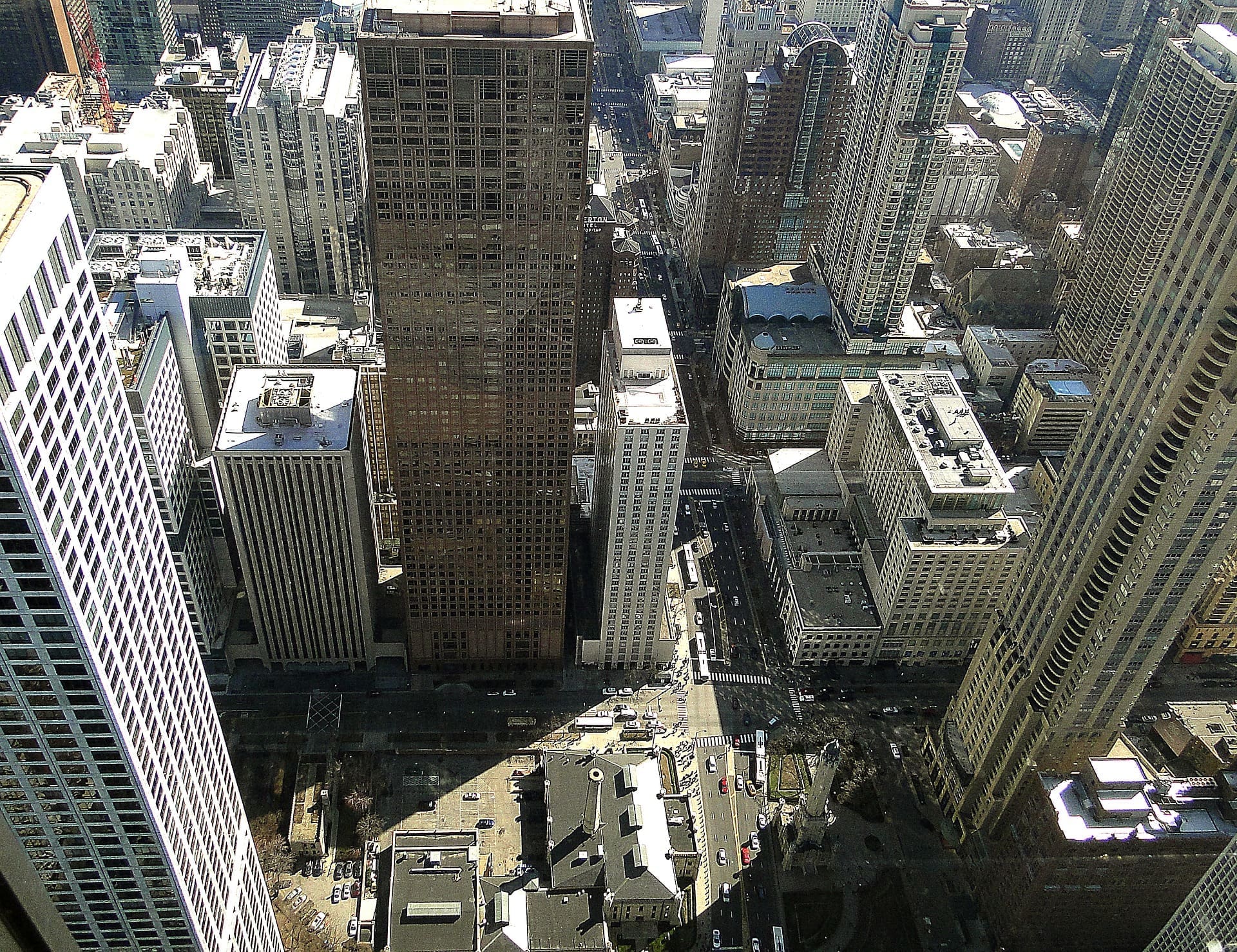
Perhaps Chicago’s most iconic and well known thoroughfares is Michigan Avenue, often referred to as “The Magnificent Mile,”. The street is a great representation of the city’s pulse, with its never ending flow of people and vehicles taking part in all that it has to offer at nearly all hours of the day and night. However, as Chicago evolves and the needs of the city’s residents and visitors change, the way we think about urban life should as well. In recent years, local governments from around the world have begun to reassess how urban areas should operate, and in particular, how they can design cities to make them safer and more efficient for the people that call them home. Revitalizing Michigan Avenue is one such idea that could help Chicago achieve this vision.
A recent plan created by architecture and urban design firm the Lamar Johnson Collaborative (LJC), has proposed solutions to many of the urban planning issues that plague Michigan Avenue. Their Michigan Avenue Re-Visioning Project offers a comprehensive plan that seeks to enhance the avenue’s role as a dynamic public space, support local businesses, and address modern urban challenges like sustainability and inclusivity. The project envisions a Michigan Avenue that is not only a place for commerce, but also a destination but also as a multi-functional center for community engagement.
Here are four key takeaways from the Michigan Avenue Re-Visioning Project.
One of the most significant proposals from the Michigan Avenue Re-Visioning Project is placing emphasis on transforming the avenue into a multi-use public space that encourages a variety of different activities. Michigan Avenue has almost always been synonymous with luxury developments and high end shopping. This designation has been great for attracting tourists and wealthy residents, but it also alienates large segments of Chicago’s population from a place that should be appreciated by all. attracting both tourists and locals.
LCJ’s vision for Michigan Avenue focuses on creating a more adaptable and versatile environment. This includes transforming the street into a space that accommodates not only retail but also cultural events, social gatherings, recreational activities, and community discourse. Their plan suggests incorporating adaptable spaces that can host pop-up markets, art installations, and public performances. Moreover, the plan calls for expanding pedestrian zones and creating more green spaces, and as a result, enhancing the avenue’s appeal as a place of enjoyment and relaxation.
As countries worldwide continue to grapple with the impacts of climate change, urban sustainability has become a critical concern in the planning and design of cities. The Michigan Avenue Re-Visioning Project recognizes this, and has included the development of green infrastructure as a part of its plan.
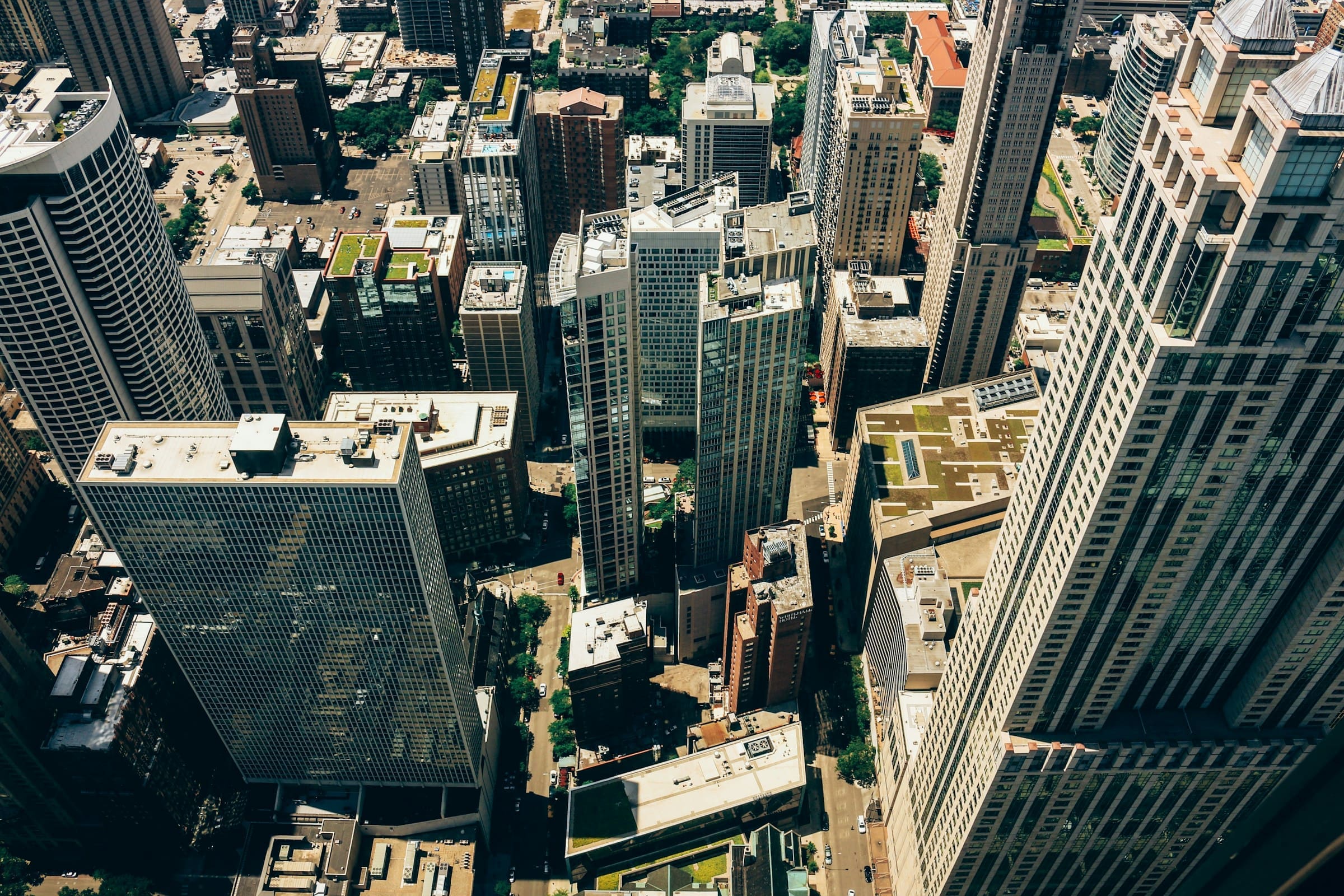
One idea is the integration of green roofs and vertical gardens along the buildings that surround Michigan Avenue. These upgrades would enhance the aesthetic appeal of the street while also contributing to the reduction of the urban heat island effect. The project would also incorporate the use of permeable pavements and the installation of bioswales, which would help to manage rainwater and reduce the risk of flooding.
Promoting the use of public transportation and non-motorized modes of transport, such as biking and walking is also an emphasis of the project. For this issue, the LCJ suggests creating dedicated bike lanes and expanding pedestrian walkways to encourage more sustainable forms of public mobility.

You may also like: How Chicago Can Turn The “L” Into a World Class Urban Train System
Another critical aspect of the Michigan Avenue Re-Visioning Project is its focus on enhancing accessibility and inclusivity. Michigan Avenue is an iconic symbol of Chicago’s economic and cultural prominence, but it has not always been equally accessible to all of the city’s residents. To address this, the Lamar Johnson Collaborative has planned for the creation of more accessible public areas and amenities, such as wheelchair-accessible walkways, seating areas, and public restrooms.
Inclusivity is also reflected in the project’s approach, by integrating spaces for public art and cultural installations that would reflect the diversity of Chicago’s various communities.
One of the key technological innovations proposed for Michigan Avenue’s redesign is the implementation of smart infrastructure. This includes installing smart lighting systems that adjust based on the time of day and the presence of pedestrians. The project also suggests the use of digital wayfinding systems and interactive kiosks that provide real-time information about events, transportation, and amenities along Michigan Avenue.
The vision also includes the potential for augmented reality (AR) experiences that allow visitors to engage with Michigan Avenue’s history and culture in truly unique and immersive ways.

The Michigan Avenue Re-Visioning Project aims to ensure that this iconic street remains a dynamic part of Chicago’s urban fabric. This reimagined Michigan Avenue is a place where people from all walks of life can gather to experience the best that Chicago has to offer. The project would of course be a significant understanding for the city, but it is an undertaking that is needed to progress Chicago into the future.
What part of this plan do you think is most needed?